
The process
behind
every session
Each participant arrives with different instincts and different habits. Our structured sequence works through those differences methodically — not by eliminating them, but by giving them a productive shape so that group work stays coherent and individual voices stay distinct.
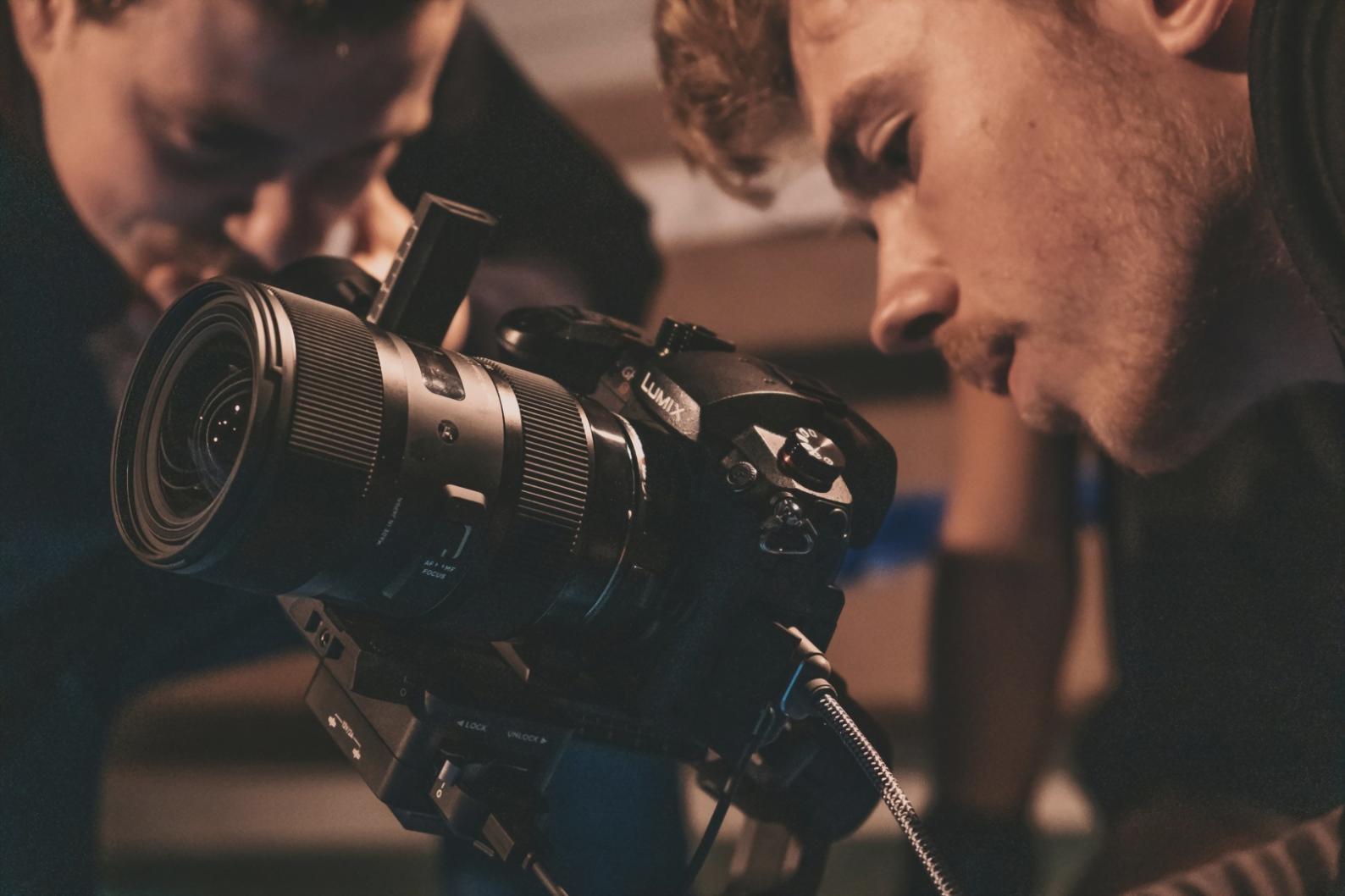
Five stages, one coherent arc
The sequence below reflects how we have structured every engagement since 2016. Each stage feeds directly into the next — skipping one is not a shortcut, it creates gaps that surface later. Participants who follow all five consistently report faster progress in ensemble work and solo delivery.
Structure does not constrain spontaneity — it makes spontaneity possible at all.
Listening audit
Before any technique is introduced, participants work through a structured listening exercise. The goal is not relaxation — it is diagnosis. We identify where attention drifts, what the body does when focus drops, and which listening mode each person defaults to under mild pressure. The audit takes roughly 40 minutes and produces a concrete picture of where each participant currently stands.
Offer recognition and acceptance
Improvisation depends on a specific skill: recognising when another person has made an offer and deciding whether to accept or redirect it. This stage introduces that skill through a series of low-stakes verbal and physical exercises. Participants learn to distinguish between blocking an offer, ignoring it, and genuinely building on it. The distinction is subtle and takes deliberate practice to internalise.
Constraint-based scene work
Constraints are introduced deliberately to reduce the cognitive load of open-ended improvisation. Scenes operate within defined parameters — a single location, a specific relationship, a restricted vocabulary. Working inside tight limits forces participants to use what is available rather than searching for something better. This stage produces some of the most useful material for post-session review.
Structured reflection
What happened in the scene is less important than what the participant understood about their own decision-making during it. Reflection sessions are facilitated and follow a specific pattern: observation first, interpretation second, adjustment third. Participants receive feedback from peers and from the facilitator, but the session always ends with the participant stating their own next step rather than receiving a prescribed correction.
Open application
The final stage removes constraints and external prompts. Participants work in full scenes without predefined parameters, drawing on what the previous four stages have surfaced. This is where patterns become visible — both productive habits that have started to solidify and recurring blocks that the earlier stages have not yet resolved. Open application is the starting point for the next engagement, not a conclusion.
How the stages connect
Each stage produces specific outputs that become the raw material for the next. The diagram below shows those connections.
Attention baseline established per individual
Recognition and acceptance patterns mapped
Scenes produced within defined limits
Decision points identified, next step self-stated
Full scenes without scaffolding — output feeds next engagement
Staged constraints removed one at a time across the five-stage arc, making each release deliberate rather than accidental
Distinct feedback channels used in stage four — self-report, peer observation, and facilitator analysis — each targeting a different layer of awareness
The people running each stage
Sessions at Zyntorae are led by practitioners with direct performance and facilitation experience. Each facilitator specialises in one or two stages and works alongside colleagues in multi-stage engagements. No session is run by a single person responsible for everything — that division of focus is intentional.

Oleg Vasylenko
Listening and Constraint Stages
Oleg spent eleven years in ensemble theatre before moving into facilitation. He runs stages one and three with a focus on how physical attention shifts under different scene conditions.

Daryna Koval
Offer Work and Reflection
Daryna trained in applied theatre and has a background in group facilitation for organisations. She leads stages two and four, and designed the reflection protocol currently used across all engagements.
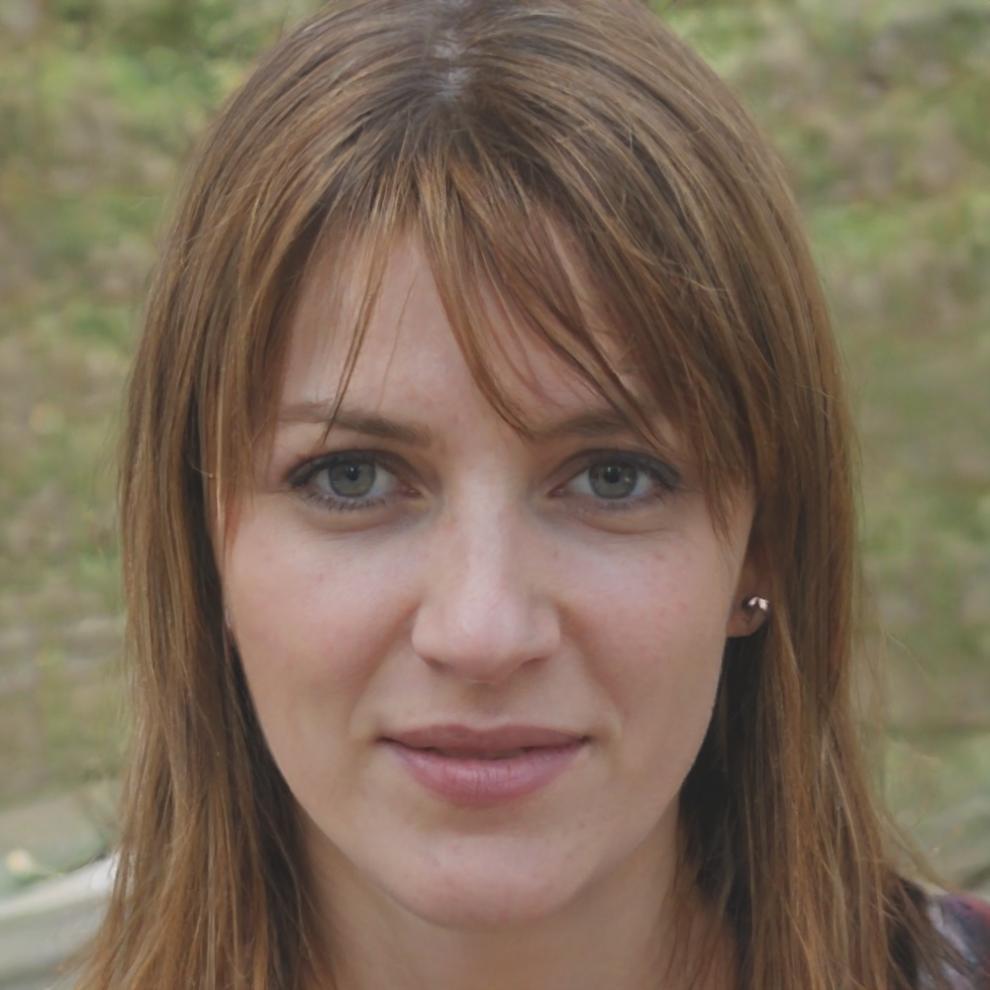
Iryna Stets
Open Application Stage
Iryna focuses exclusively on the final stage, where her role is closer to observer than instructor. She documents what surfaces in open scenes and feeds that material into the planning for subsequent sessions.

What to expect before arriving
Preparation is minimal by design. Participants who arrive with strong preconceptions about what improvisation should look like often find the first stage more challenging than those who arrive without prior training. There is nothing to prepare — the audit at stage one works precisely because it captures the participant's natural state.
- No scripts, no assigned roles, and no reading material before the first session
- Comfortable clothing that allows movement — no costume or props required
- Groups of between 6 and 14 participants — smaller or larger groups change the mechanics significantly
- Remote delivery follows the same five-stage structure with adapted exercises for video-based work
Questions about how the process applies to your group?
The facilitators can speak to how the stages adapt for different group sizes, experience levels, and delivery formats before any commitment is made.
contact us