
Zyntorae — improvisation techniques
what happens when structure meets instinct
Spontaneity is a learnable skill. Zyntorae brings structured, practitioner-led lectures on improvisation techniques to learners across Ukraine — from first exercises to complex scene work, all delivered remotely and at your own pace.

by the numbers
scale that is straightforward to read
Improvisation teaching rarely comes with clear data. We track what matters — not vanity metrics, but figures that reflect real engagement: how many learners complete structured sequences, how often they return to practise material, and how the curriculum has changed since the platform launched in 2016.
Completion rates mean little on their own — what matters is whether learners can use the techniques after finishing.
Across regions from Lviv to Kharkiv — remote-first from the start, with accessibility accommodations available on request.
grounded in practice
the curriculum reflects how improvisation actually works on stage
Theory without live context drifts. Every module at Zyntorae is written against active performance conditions — techniques are drawn from formats used in Ukrainian theatres and international long-form communities. When stage conventions shift, the material is revised accordingly.
Reference materials below are updated per semester. They are not marketing documents — they are working tools that learners use during and after the course.
the people behind the content
Credentials matter less than continuity of practice. Each instructor at Zyntorae maintains an active connection to live performance — not as a past achievement but as ongoing work that feeds directly into course material.
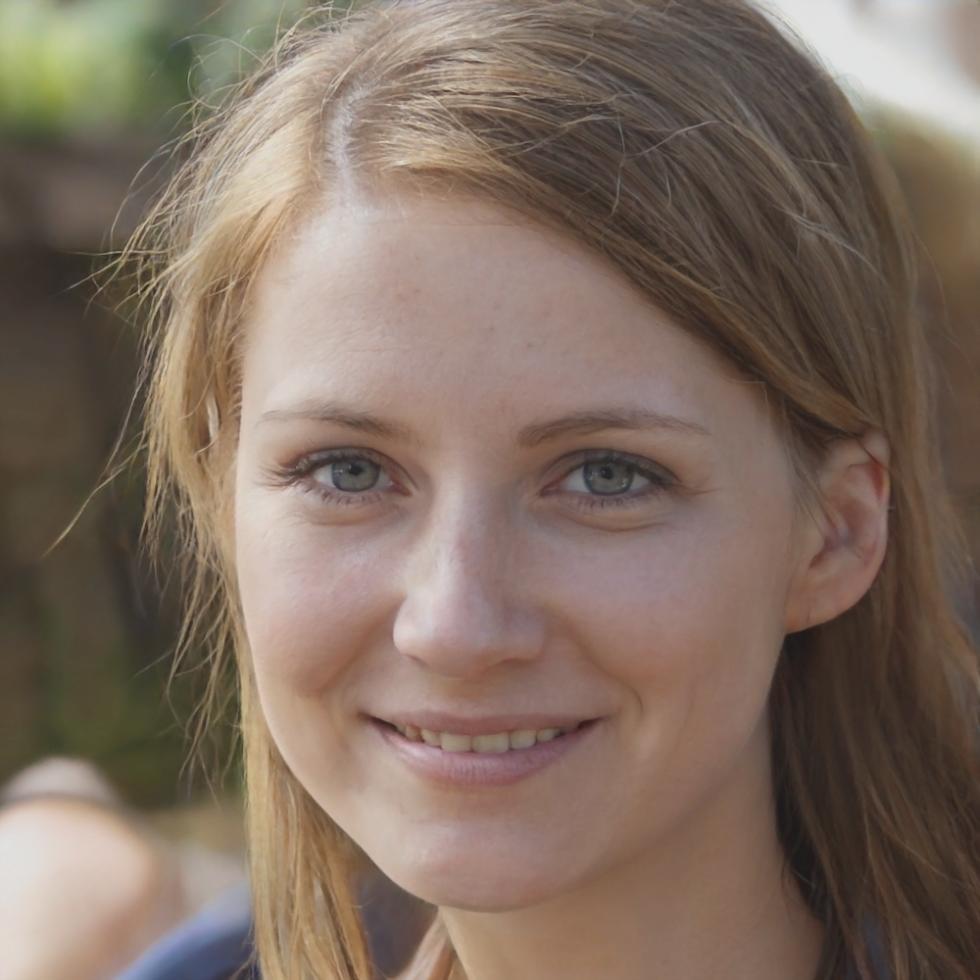
Daryna Kovalenko
Lead Instructor · Scene Work & Narrative
Daryna has performed in long-form formats since 2011 and spent four years as a resident director at a Kyiv-based improvisational theatre. Her modules on narrative construction come directly from that rehearsal experience. She does not teach from textbooks — she teaches from what broke and what held up under audience pressure. Learners consistently note that her explanations of "why a scene stalls" are the most useful part of the course.


Solomiia Bryn
Character & Voice
Solomiia trained as a physical theatre performer and pivoted to teaching when she recognised that voice and body work were consistently the weakest link in improvisation training. Her modules on character physicality and vocal differentiation address that gap with concrete drills rather than abstract principles. She teaches at Zyntorae alongside continuing stage work.
Roman Vasylchenko
Listening & Ensemble Dynamics
Roman spent seven years performing with ensemble groups before focusing on the structural side of group improvisation. His modules address what makes ensemble scenes collapse — usually a listening failure, not a creativity failure. He approaches this as a technical problem with technical solutions, which learners find refreshingly clear after years of vague "yes-and" coaching.
what the experience feels like as it unfolds
Learners often expect improvisation training to feel chaotic — lots of energy, very little structure. That is not what happens here. The early sessions are deliberately slow: you build attention before you build speed. There is friction in that, and it is intentional.
The point where most learners get uncomfortable is also the point where the technique starts to work.
Orientation
The first module focuses entirely on attention — not on generating ideas. Most learners find this counterintuitive. The exercises are quiet, repetitive, and somewhat frustrating. That is by design.
Accumulation
Modules two through four introduce specific techniques — offer-making, status play, environment work — through short exercises followed by extended scene analysis. Progress here is rarely linear.
Integration
Around module five, techniques begin connecting in ways that were not visible earlier. Scenes that previously fell apart for unexplained reasons become readable. This shift is rarely sudden — it arrives quietly over a few sessions.
Application
The final module removes scaffolding and puts learners in unstructured scenarios with detailed feedback. It is not a performance — it is an assessment of whether the techniques have become instinctive or remain conscious effort.
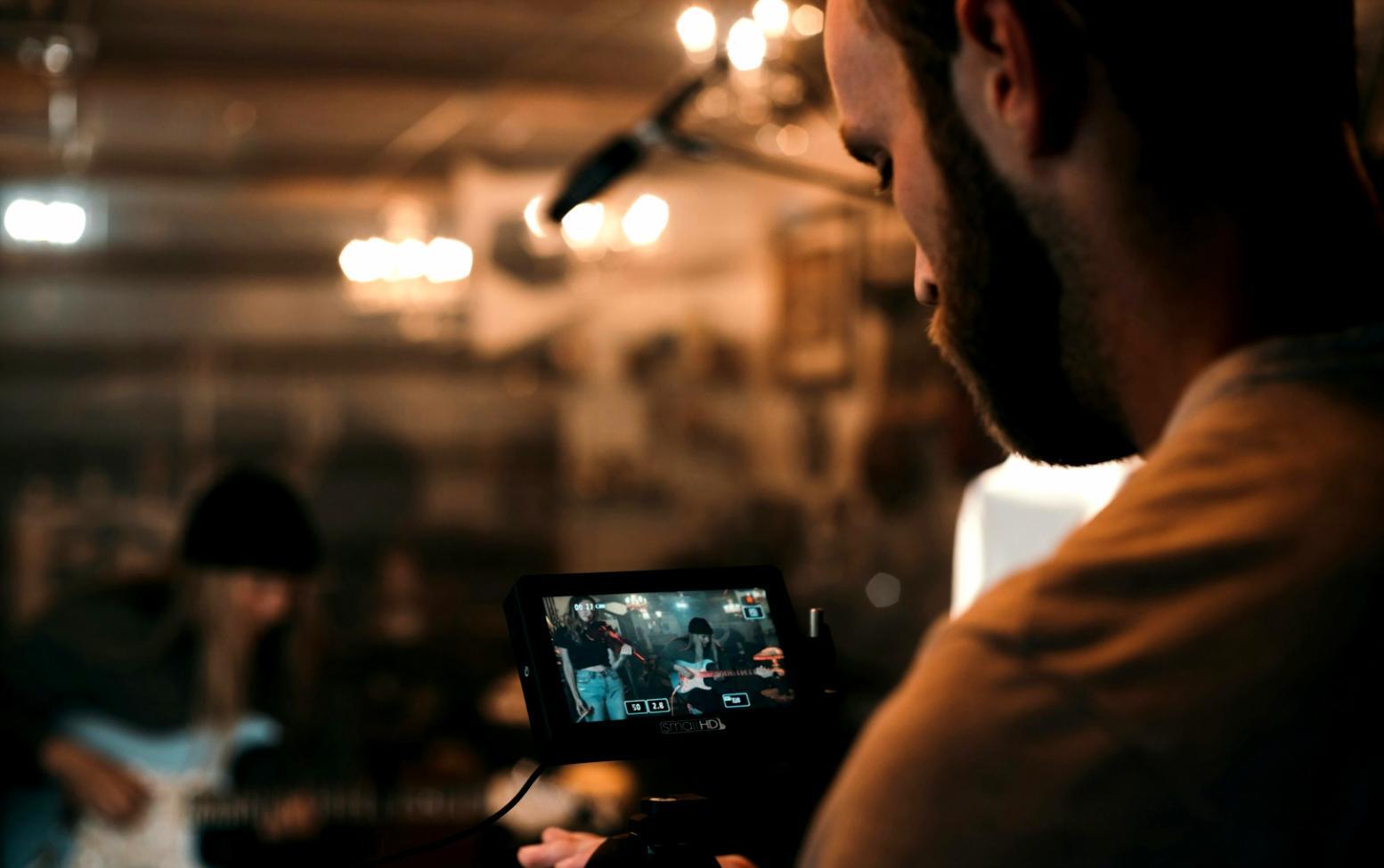
the goal is not confidence — it is capability that holds under pressure